
How Arrest Warrants Work in Cimarron County
Oklahoma Title 22 sets out how a Cimarron County arrest warrant begins. It starts with a magistrate. That is any officer empowered to issue a warrant for a public offense. Under § 171, someone presents a complaint under oath or affirmation. If the magistrate finds an offense happened and reasonable ground exists to believe the defendant committed it, an arrest warrant issues. Sections 172 and 173 cover the warrant's form and requisites, while §§ 174 and 175 cover its direction and service. The local public record may later show the complaint, the warrant event, the charge, the bond, service, or the return. Investigative or sealed material can be withheld. The Cimarron County Court Clerk and the issuing court control the court-side record. An arrest warrant is also not the same as a bench warrant. A bench warrant usually grows from a missed appearance, a bond failure, or a court-order issue in a case already open. Ask the clerk which event the docket shows.
Arrest Warrants: What They Contain
The public sequence is easier to follow when the parts stay separate: complaint, magistrate review, warrant form, authorized service, arrest or voluntary appearance, bond, and later court action. A public Cimarron County search may show only some of those steps. The sheriff's Most Wanted interface appears blank, and no local warrant-number format is published.
- Search the Cimarron County District Court case in OSCN by party, case number, date, or case type.
- Read the dated event trail and note any complaint, warrant, bond, service, return, or recall language.
- Call the Court Clerk if a document is unavailable, the case is missing, or the wording is unclear.
- Call the sheriff at (580) 544-2020 about service, custody, or an agency record.
- Ask an attorney about an arranged appearance, bond, recall motion, or other court-approved next step.
The District 1 District Attorney identifies the Cimarron County courthouse and prosecution district. It is not a public warrant-confirmation desk.
How Warrants Get Served in Cimarron County
Title 22 allows authorized peace officers to serve a warrant. In practice, the Cimarron County Sheriff's Office is the county law-enforcement contact, Boise City or Keyes police may handle a city matter, and federal officers handle federal warrants. The sheriff does not serve every order, and a city record may not appear on the county's public display.
| Agency | Confirmed role | Public route |
|---|---|---|
| Cimarron County Sheriff's Office | County custody, records, service, and curated wanted interface | (580) 544-2020, 409 N Logan |
| Boise City police | City police link on the official city site; direct warrant line not located | Boise City city-government route |
| Keyes Police Department | Municipal police contact and local routing | 106 3rd St, (580) 546-7334 |
| U.S. Marshals Service | Federal warrant and fugitive role in the Western District | Federal contact, not county confirmation |
Court-order question? Call the issuing clerk. Question about service? Call the agency. The District 1 office replaces neither one in Cimarron County.
Image source: The official Justice Center information identifies the county facility associated with the sheriff route. It does not show a warrant result.
The facility image is a location cue for the Cimarron County jail. Call before appearing, since local surrender logistics are not published.
What an Arrest-Warrant Record Can Show
A public arrest-warrant record can be assembled from the docket and an agency response. The fields vary. The sheriff's blank interface does not show every court field, and a sealed complaint can hide the basis for the order in Cimarron County.
| Case or cause number | District Court identifier in OSCN or the clerk's file. |
|---|---|
| Warrant type | Arrest warrant, with the local label supplied by the docket. |
| Issue date | Date the magistrate or judge issued the order, if public. |
| Charge or statute | Offense description and classification, if not protected. |
| Bond | Current amount and type must come from the court; web amounts may be approximate. |
| Service or return | Issued, active, served, recalled, quashed, or returned as shown by the court or agency. |
Never infer a warrant number from a case number. Use a neutral marker such as OSCN case reference until the Cimarron County Court Clerk supplies the exact identifier.
District Court Arrest Warrants in Cimarron County
For Cimarron County District Court records, the public OSCN search is the best online stop. It lets you look up a case by county, court, case number, party, dates, and case type. Just know what it is. A docket search does not scan every law-enforcement entry, so it is not a full warrant sweep. When a case or document is missing, the OSCN help pages point trial-related questions to the county clerk. The sheriff's public page adds a curated wanted board with a Search Most Wanted field plus labels like Wanted For and Bond Amount. Treat it as a routine list that may be stale. The blank view shows no full case number, complete charge, issue date, judge, or return field.
Image source: The District 1 official page identifies the Cimarron County Courthouse address and prosecutor district. It is a courthouse-routing source, not a warrant list.

One route to Cimarron County arrest warrants runs through the courthouse record system, not the Justice Center or the sheriff.
Bond Is Not Case Resolution
Cimarron County publishes no bond schedule, initial-appearance timing, jail bond window, payment list, online processor, or walk-through protocol. On the Most Wanted page, the Bond Amount field is expressly approximate. Fees, payments, and penalties can change it.
Ask first: Confirm the issuing court, current bond type, posting location, hours, required identification, next setting, and how a recall reaches the sheriff.
Bond buys release, nothing more. The charge, the conditions, and the court date all remain. Before a voluntary appearance at 409 N Logan, call the issuing court in Cimarron County or an attorney. Keep the case number, receipt, bond paperwork, and any written court action.
Handling an Arrest Warrant in Your Name
A Cimarron County lawyer can do what a worried person should not attempt alone: read the OSCN docket, call the issuing court, ask whether a complaint or indictment is public, and learn what procedure the judge permits. There is no local attorney walk-through form, so those calls matter. When you reach the court, ask what the warrant rests on: a verified complaint, an indictment, a missed appearance, or another order. Then ask whether a bond exists, whether you must appear in person, whether the court accepts a recall motion, and how proof gets recorded. Ask the sheriff, too, when its operational system will update. A blank Most Wanted page proves nothing about safety. A sealed or new warrant can stay invisible there. The only answer worth having is a current one from the issuing court and the serving agency.
Arrest Warrants, Summonses, and Bench Warrants
A verified complaint can back an arrest warrant under § 171. In Cimarron County, a sealed indictment or sealed warrant stays off public court and sheriff pages until the court unseals or serves it. The county publishes no schedule for sealed material. So an empty search result never proves that no arrest warrant exists.
- Magistrate
- An officer legally empowered to issue an arrest warrant under Oklahoma law.
- Verified complaint
- A complaint confirmed by oath or affirmation and presented to the magistrate.
- Probable cause or reasonable ground
- The statutory basis for the magistrate's issuance decision under § 171.
- Warrant return
- A record showing service, arrest, or return of the order.
Cimarron County keeps much of its warrant file public, so start there and ask the clerk which protected parts the office cannot release.
Federal Arrest Warrants Use a Different Track
Cimarron County sits inside the U.S. District Court for the Western District of Oklahoma. Federal arrest warrants follow a separate track. Sealed federal complaints and federal warrants are not certified by the county Court Clerk or the sheriff. PACER shows a public federal docket, and CourtListener with RECAP offers free research coverage, though neither one is a complete warrant database.
| Question | Cimarron County or Oklahoma | Federal |
|---|---|---|
| Public docket | OSCN District Court | PACER, with public-record limits |
| Law-enforcement contact | Cimarron County Sheriff's Office, (580) 544-2020 | U.S. Marshals Western District |
| Municipal cases | Boise City or Keyes court | Not applicable |
| Clearance proof | Issuing clerk plus sheriff confirmation | Federal clerk, USMS, or attorney |
Image source: The official PACER pricing page explains federal docket access costs. It does not certify a warrant.
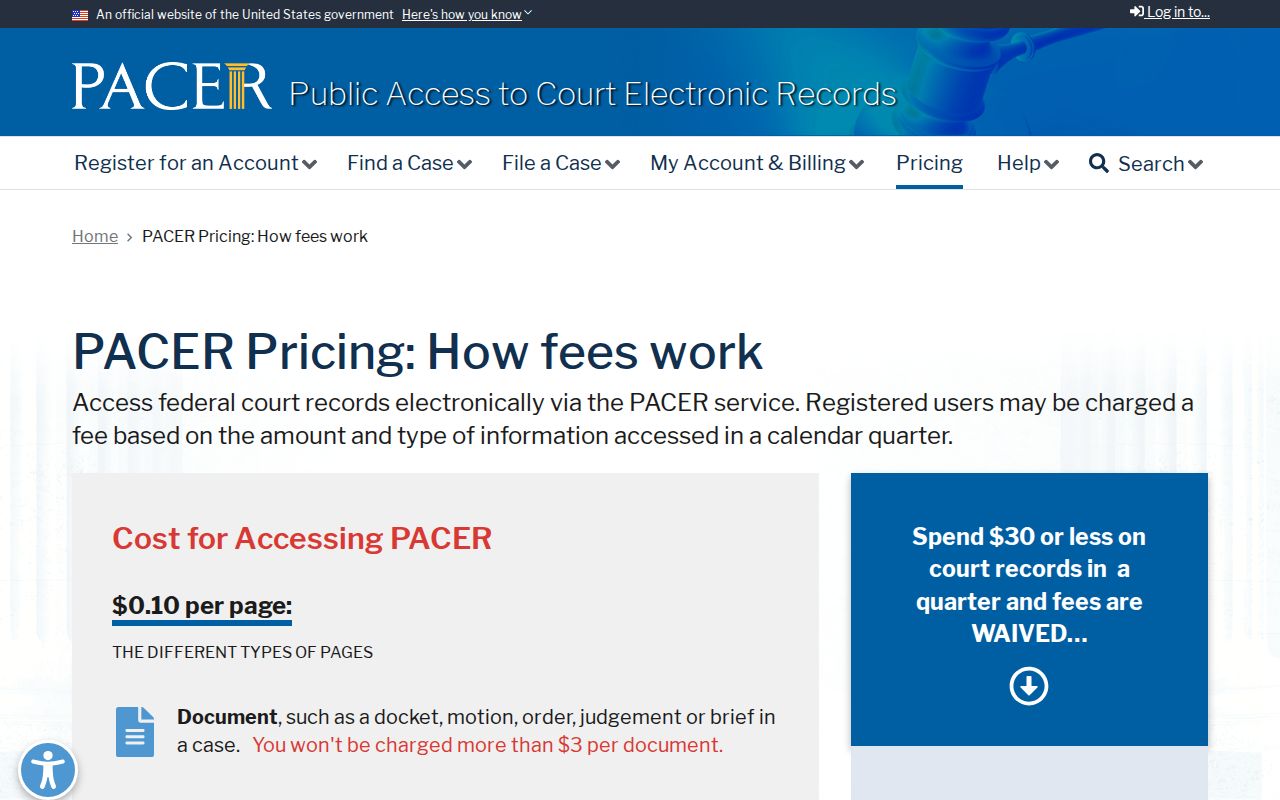
Federal research is separate from the county Most Wanted interface.
Confirm Recall With Court and Sheriff
A docket entry that says "recalled" is a start, not the finish. Keep the case number handy and ask the Court Clerk when the recall order took effect. Then call the sheriff and ask whether its operational record was updated to match. The court-side recall and the agency-side update do not always land at the same moment, so a Cimarron County warrant can still show as active on one side after the other has cleared it. For anything the clerk will not hand over, the Oklahoma Open Records Act can support a written request for a kept warrant disposition, subject to its exceptions. Juvenile records under 10A O.S. § 2-6-102, sealed complaints, and investigative material may stay closed. Ask each office for a specific record rather than assuming one of them holds every warrant. The Cimarron County warrant records home lays out the broader local routing chain, including municipal and traffic matters.